Islamic Ottoman
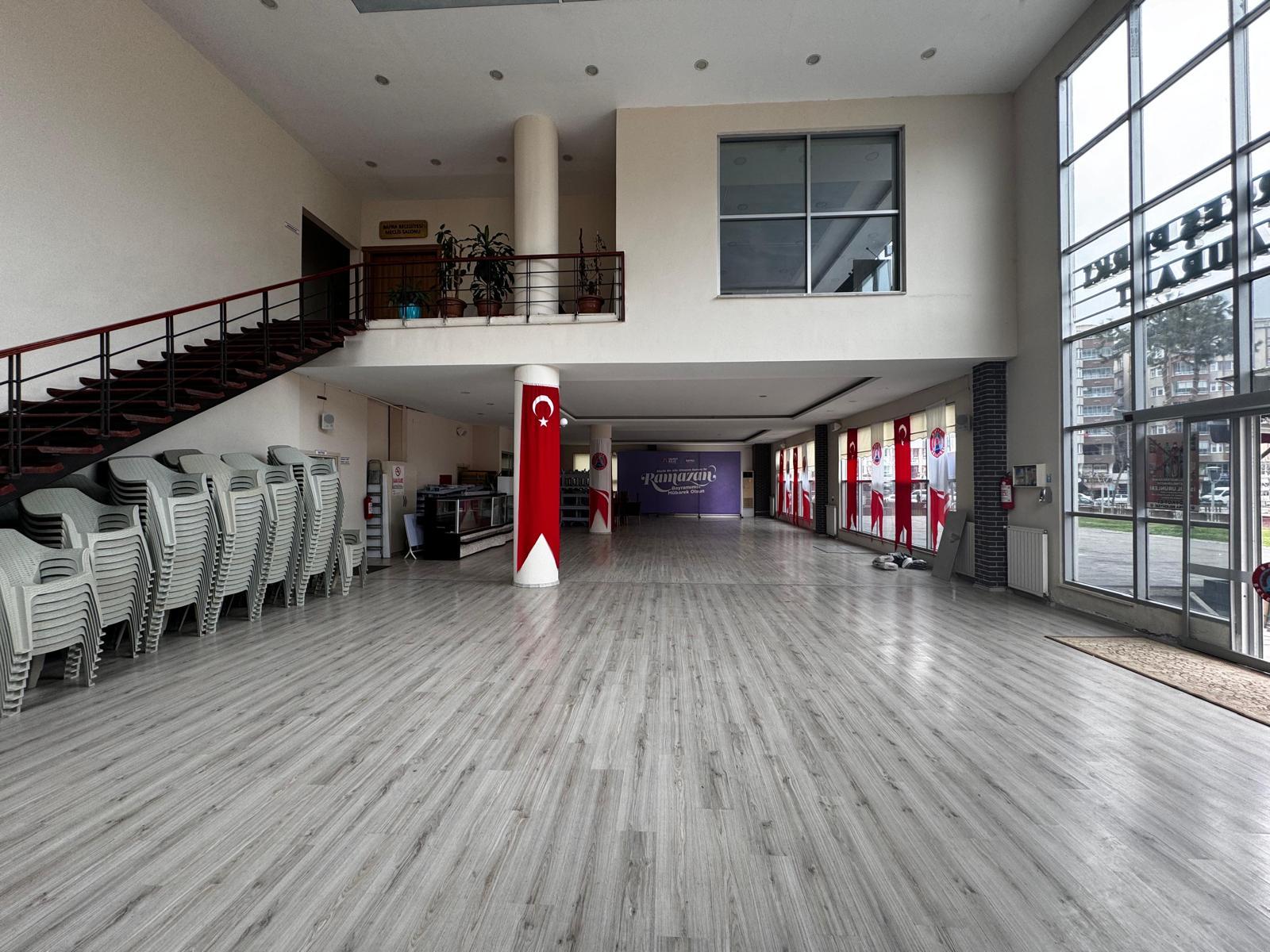


An incredibly lifelike, richly detailed, photorealistic interior photo of a spacious cafe set in a modern building with elements of Turkish and Islamic Ottoman architecture. The scene is illuminated by diffused natural light streaming through tall, expansive windows and complemented by warm, ambient recessed lighting, creating an inviting and serene atmosphere. Captured with a wide-angle lens, emphasizing the rich textures of dark wood, intricately patterned tile work, and plush velvet upholstery. This reimagined cafe embraces a sophisticated fusion of contemporary comfort and historical richness. The stark white walls of the original are softened with a warm, earthy terracotta or a deep, muted teal, evoking a sense of historic depth. The gray wood-look flooring is replaced with a beautiful, intricate geometric patterned tile in shades of deep blue and cream, reminiscent of traditional Turkish bathhouses, extending from the entrance hall and flowing seamlessly into the main seating area. The stacked plastic chairs are gone, replaced by a thoughtful arrangement of seating options: plush, high-backed banquettes upholstered in velvet in jewel tones like emerald or sapphire line the walls, interspersed with sturdy yet elegant dark wood tables, some round and some rectangular, suitable for both intimate gatherings and larger groups. The stark staircase is transformed into a focal point with dark, carved wooden balusters and treads, perhaps with a runner of a rich, hand-knotted oriental rug. The imposing central column is clad in a rich, dark, carved wood paneling, topped with an ornate brass capital or a hand-painted Ottoman motif. Instead of a simple red cloth, this column might feature a series of framed Iznik-style ceramic tiles depicting botanical motifs or calligraphy, or even a beautifully draped, deep crimson velvet fabric secured with ornate tassels. The large side window wall is softened by elegant, floor-to-ceiling drapes in a rich damask or a subtle silk, in a complementary color to the banquettes, elegantly framing the view of the bustling street outside which is now perceived as a dynamic urban tapestry rather than an anonymous backdrop. The upper window is now framed with dark wood and features an intricate mashrabiya-inspired screen, casting dappled light and shadows across the floor, adding a layer of privacy and mystique. The cafe's functional areas are subtly defined. A low, carved wooden counter, perhaps with a marble top, replaces the utilitarian display cases. Behind it, instead of vending machines, are shelves displaying artisan Turkish coffees and teas, decorative ceramic pieces, and perhaps a few intricately bound books. In the distance, where the "Ramazan" banner is, a more subtly lit seating nook is created, possibly with a more private, divided seating arrangement and lower coffee tables, ideal for conversation. The bright artificial lighting of the original is replaced by strategically placed decorative pendant lights above tables, some featuring handcrafted stained glass in geometric patterns or metallic finishes that cast warm, inviting pools of light. The overall composition is balanced, with seating areas arranged to facilitate movement and conversation, creating a sense of both openness and intimacy. The scale and proportions feel human-centric, with comfortable seating heights and ample space between tables. The atmosphere is one of tranquil elegance, a welcoming oasis where the past and present harmoniously converge, encouraging patrons to linger and savor not only the coffee but the palpable sense of place.